


Understanding Cavities and How to Prevent Them
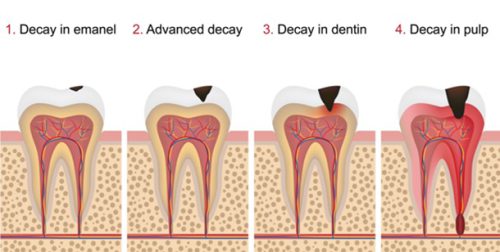
Cavities, also known as tooth decay or dental caries, are one of the most common oral health problems worldwide. They develop slowly over time and can affect anyone, from young children to older adults. The good news is that cavities are largely preventable with consistent daily habits and regular dental care.
What exactly is a cavity?
A cavity is a permanently damaged area in the hard surface of a tooth that develops into tiny openings or holes. Medically, this process is referred to as Dental caries.
Cavities form when bacteria in your mouth feed on sugars from food and drinks. These bacteria produce acids that gradually wear down the enamel, the protective outer layer of your teeth. Over time, this damage can progress deeper into the tooth, potentially causing pain, infection, and even tooth loss if left untreated.
What causes cavities?
Several factors contribute to the development of cavities:
1. Sugary and starchy foods
Foods like sweets, biscuits, fizzy drinks, and even refined carbohydrates such as white bread can fuel harmful bacteria in the mouth.
2. Poor oral hygiene
Infrequent or ineffective brushing and flossing allow plaque (a sticky film of bacteria) to build up on teeth.
3. Dry mouth
Saliva helps wash away food particles and neutralise acids. A lack of saliva increases cavity risk.
4. Frequent snacking
Constant snacking keeps acid levels high in the mouth, giving enamel less time to recover.
5. Lack of fluoride
Fluoride strengthens enamel and helps reverse early decay, so low exposure increases risk.
Signs you might have a cavity
Cavities don’t always cause symptoms early on, but as they progress you may notice:
- Tooth sensitivity to hot, cold, or sweet foods
- Toothache or spontaneous pain
- Visible holes or dark spots on teeth
- Pain when biting or chewing
How to prevent cavities
The best approach to cavities is prevention. Here are the most effective strategies:
1. Brush properly twice a day: Brush your teeth for two minutes using a fluoride toothpaste. Fluoride is essential for strengthening enamel and preventing decay.
2. Floss daily: Flossing removes food and plaque from between teeth—areas your toothbrush can’t reach.
3. Reduce sugar intake: Try to limit sugary foods and drinks, especially between meals. If you do consume them, have them with meals rather than as snacks.
4. Drink plenty of water: Water helps wash away food particles and keeps your mouth hydrated.
5. Visit the dentist regularly: Routine dental check-ups allow early detection and treatment before cavities become serious.
6. Consider fluoride treatments or sealants: Dentists may apply fluoride varnishes or protective sealants, especially for children or high-risk patients.
Can early cavities be reversed?
In some cases, early enamel damage can be reversed through a process called remineralisation. This is where minerals like calcium and phosphate are redeposited into the enamel, often helped by fluoride toothpaste and improved oral hygiene.
However, once a cavity breaks through the enamel and forms a hole, professional dental treatment (such as a filling) is required.
Cavities are common, but they are far from inevitable. With good oral hygiene, a balanced diet, and regular dental visits, you can significantly reduce your risk. The key is consistency, small daily habits have a big impact on long-term dental health.