


Oral Piercings and Your Dental Health: What Every Kingston Resident Should Know
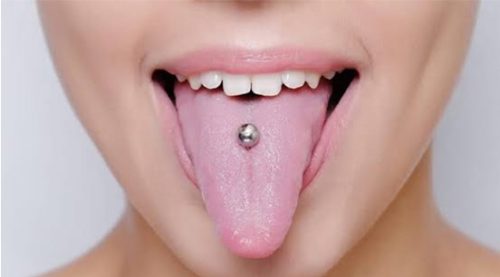
Oral piercings have become increasingly popular as a form of self-expression. Whether it’s a tongue piercing, lip piercing, or cheek piercing, these accessories can make a bold statement. However, many people don’t realize that oral piercings can also have a significant impact on their dental health.
At Kingston Dental Clinic, we believe in helping patients make informed decisions about their oral health. If you’re considering an oral piercing or already have one it’s important to understand the potential risks and how to protect your teeth and gums.
What Are Oral Piercings?
Oral piercings include jewelry placed in or around the mouth, such as:
- Tongue piercings
- Lip piercings
- Cheek piercings
- Frenulum (smiley) piercings
- Labret piercings
While these piercings are fashionable, they place foreign objects in constant contact with your teeth, gums, and oral tissues.
How Oral Piercings Can Affect Your Teeth
Chipped or Cracked Teeth
One of the most common dental issues associated with oral piercings is chipped or fractured teeth. Metal jewelry can repeatedly strike your teeth while eating, talking, or unconsciously playing with the piercing. Even a small crack can weaken a tooth and eventually require a filling, crown, or root canal treatment.
Gum Recession
Tongue and lip jewelry can rub against your gums over time, causing gum recession. When gum tissue pulls away from the teeth, the roots become exposed, increasing tooth sensitivity and the risk of decay. Advanced gum recession may even require gum graft surgery.
Tooth Wear
Constant contact between metal jewelry and tooth enamel can gradually wear down the protective outer layer of your teeth. Once enamel is lost, it cannot regenerate naturally.
Oral Piercings and Infection Risks
Your mouth naturally contains millions of bacteria. A fresh piercing creates an open wound, making it easier for bacteria to enter the bloodstream.
Potential complications include:
- Local infections
- Swelling that can interfere with speaking or swallowing
- Prolonged bleeding
- Allergic reactions to jewelry materials
- Nerve damage
- Difficulty eating during healing
Maintaining excellent oral hygiene is essential if you have an oral piercing.
Can Oral Piercings Cause Bad Breath?
Yes. Oral jewelry can trap plaque, food debris, and bacteria, contributing to persistent bad breath (halitosis). Regular brushing, flossing, tongue cleaning, and professional dental cleanings can help minimize this issue.
Tips to Protect Your Smile
If you already have an oral piercing, follow these recommendations:
- Brush twice daily with fluoride toothpaste.
- Floss every day.
- Use an alcohol-free antibacterial mouth rinse.
- Avoid playing with your jewelry.
- Check regularly for loose jewelry.
- Remove jewelry during sports if appropriate.
- Visit your dentist for routine examinations and professional cleanings.
If you notice chipped teeth, gum irritation, swelling, pain, or bleeding, schedule a dental appointment as soon as possible.
Is Plastic Jewelry Safer Than Metal?
Some acrylic or flexible plastic jewelry may reduce the risk of tooth fractures compared to stainless steel or titanium. However, no oral piercing is completely risk-free. Even softer materials can still irritate gum tissue or harbor bacteria if not properly cleaned.
When Should You See a Dentist?
Contact your dentist if you experience:
- A chipped or cracked tooth
- Loose teeth
- Persistent swelling
- Bleeding gums
- Gum recession
- Pain while chewing
- Signs of infection such as pus or fever
Early treatment can prevent more serious and costly dental problems.
At Kingston Dental Clinic, we’re committed to helping patients maintain healthy smiles while respecting their personal choices. Whether you need a routine dental exam, treatment for a damaged tooth, or advice about caring for an oral piercing, our experienced dental team is here to help.
If you have questions about oral piercings and your dental health, book an appointment with Kingston Dental Clinic today. Regular check-ups allow us to detect potential problems early and keep your smile healthy for years to come.
Frequently Asked Questions
Can a tongue piercing damage teeth?
Yes. Tongue piercings frequently cause chipped, cracked, or worn teeth due to repeated contact with tooth enamel.
Do oral piercings increase the risk of gum disease?
Oral piercings can contribute to gum recession and increase the likelihood of gum irritation, making good oral hygiene and regular dental visits especially important.
How often should I visit the dentist if I have an oral piercing?
Most patients should schedule a dental check-up every six months, although your dentist may recommend more frequent visits if your piercing is causing wear or gum problems.
Can I keep my oral piercing after dental treatment?
In many cases, yes. However, your dentist may recommend temporarily removing the jewelry during certain procedures or if it is contributing to ongoing dental damage.