


Chewing Gum and Your Teeth: Is It Good or Bad?
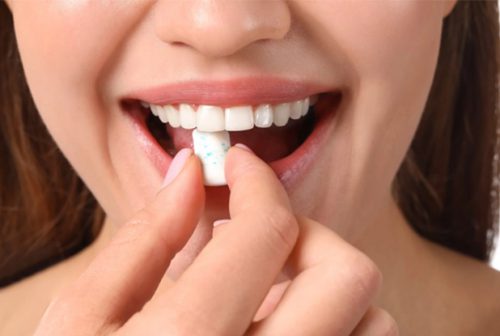
When you think about improving your oral health, chewing gum may not be the first thing that comes to mind. However, the type of gum you choose can make a surprising difference to your teeth and gums.
At Kingston Dental Clinic, we’re often asked whether chewing gum is good or bad for your smile. The answer is simple: it depends on the type of gum you chew.
Can Chewing Gum Benefit Your Oral Health?
Yes. Sugar-free chewing gum can be a helpful addition to your oral hygiene routine.
After eating, chewing sugar-free gum stimulates saliva production. Saliva plays an important role in protecting your teeth by:
- Washing away food particles
- Neutralising acids produced by plaque bacteria
- Providing calcium and phosphate to help strengthen tooth enamel
- Reducing the risk of tooth decay
For the greatest benefit, many dentists recommend chewing sugar-free gum for 10 to 20 minutes after meals, particularly when brushing isn’t immediately possible.
Benefits of Sugar-Free Chewing Gum
Choosing the right chewing gum can offer several oral health benefits, including:
- Increases saliva flow to help protect teeth
- Helps neutralise harmful plaque acids
- Freshens breath naturally
- May reduce the risk of cavities
- Supports enamel remineralisation
- Can relieve symptoms of dry mouth
While chewing gum is beneficial, it should always complement—not replace—good oral hygiene.
When Can Chewing Gum Harm Your Teeth?
Not all chewing gum is beneficial.
Sugary Gum: Gum containing sugar feeds the bacteria responsible for tooth decay. As these bacteria digest sugar, they produce acids that attack tooth enamel, increasing the risk of cavities.
Excessive Chewing: Chewing gum for long periods or very frequently can strain the jaw muscles. People who suffer from jaw pain, teeth grinding, or temporomandibular joint (TMJ) disorders may find that excessive gum chewing worsens their symptoms.
If you experience jaw discomfort while chewing gum, it’s best to speak with your dentist.
What Is Xylitol and Why Do Dentists Recommend It?
Many sugar-free chewing gums contain xylitol, a naturally occurring sweetener that has been shown to help reduce cavity-causing bacteria.
Unlike sugar, xylitol does not feed harmful bacteria. Regular use may help:
- Reduce plaque formation
- Lower the levels of decay-causing bacteria
- Decrease the risk of dental cavities
- Support better long-term oral health
Important: Xylitol is extremely toxic to dogs, so always store xylitol-containing products safely away from pets.
Chewing Gum Is Not a Substitute for Brushing
Although sugar-free gum offers valuable benefits, it cannot replace a proper oral hygiene routine.
For a healthy smile, remember to:
- Brush your teeth twice daily with fluoride toothpaste
- Floss or clean between your teeth every day with an interdental brush
- Limit sugary foods and drinks
- Eat a balanced diet
- Visit Kingston Dental Clinic regularly for dental examinations and professional hygiene appointments
How to Choose the Right Chewing Gum
When shopping for chewing gum, look for products that:
- Are labelled sugar-free
- Contain xylitol, where possible
- Carry approval from recognised dental organisations
- Avoid added sugars and sticky ingredients
Frequently Asked Questions
Is chewing gum after meals good for your teeth?
Yes. Chewing sugar-free gum after meals helps stimulate saliva, neutralise acids, wash away food particles, and reduce the risk of tooth decay until you can brush your teeth.
Some chewing gums are marketed as whitening products and may help remove minor surface stains. However, they cannot achieve the same results as professional teeth whitening treatments or regular professional dental cleanings.
Can chewing gum cause jaw pain?
Yes. If you have TMJ problems, jaw pain, or regularly clench or grind your teeth, excessive gum chewing may aggravate your symptoms. If discomfort develops, reduce chewing and consult your dentist.
Keep Your Smile Healthy with Kingston Dental Clinic
At Kingston Dental Clinic, we’re committed to helping patients maintain healthy teeth and gums through preventive care and personalised advice.
Whether you need a routine dental examination, professional hygiene treatment, or care for tooth decay, our experienced team is here to help.
If you’re looking for a trusted dentist, book an appointment with Kingston Dental Clinic today and let us help you achieve a healthier, brighter smile.